
Solid and Hollow Polycarbonate Sheets
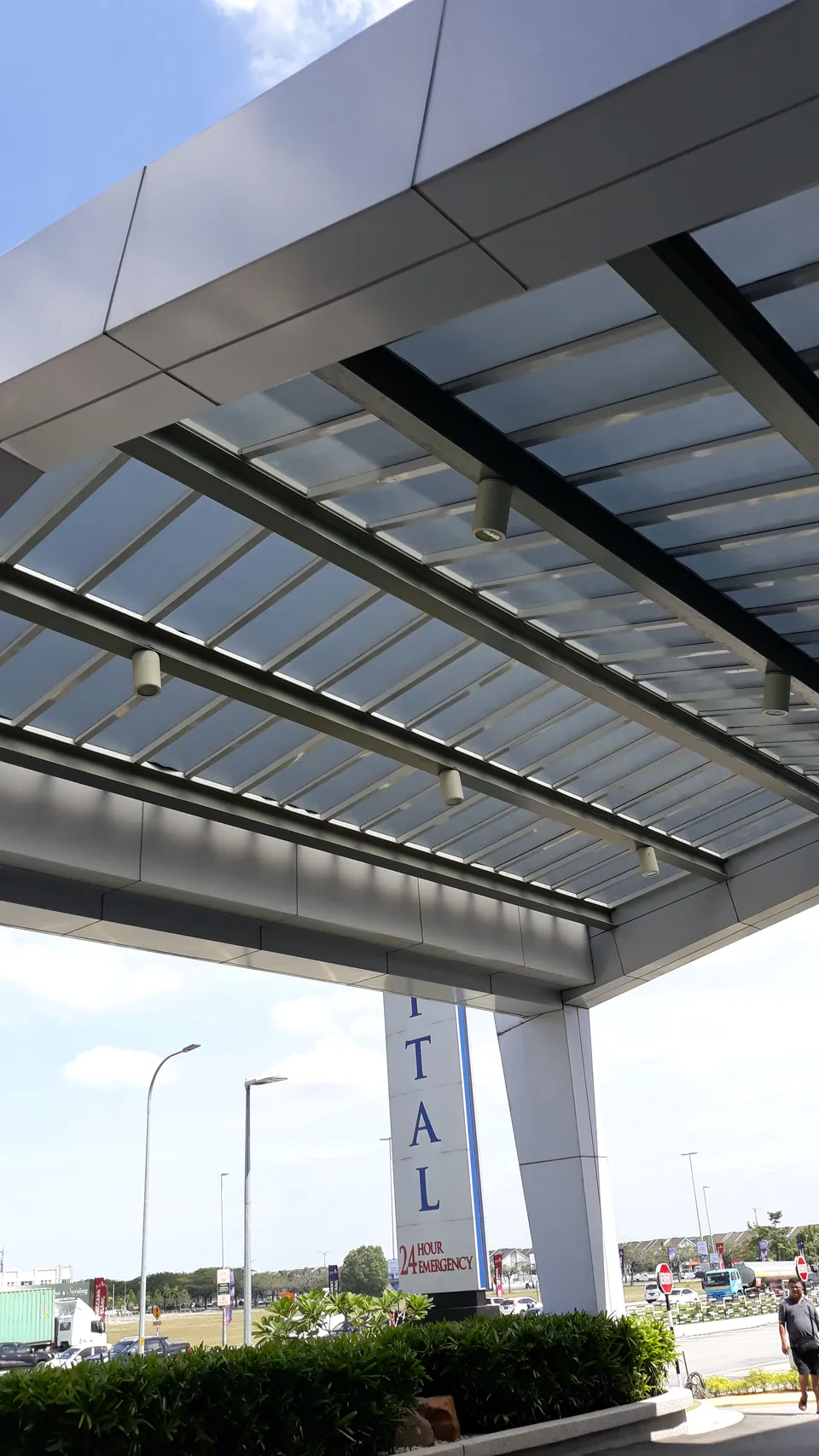
It holds up across a wide temperature range, from about −40°C to 120°C, and it can be moulded, thermoformed or extruded easily. It is also naturally flame retardant and a good electrical insulator.
Because of this, it is used in eyeglass and safety lenses, riot shields, machine guards, greenhouse and roofing sheets, headlight covers, electronics housings and reusable water bottles.
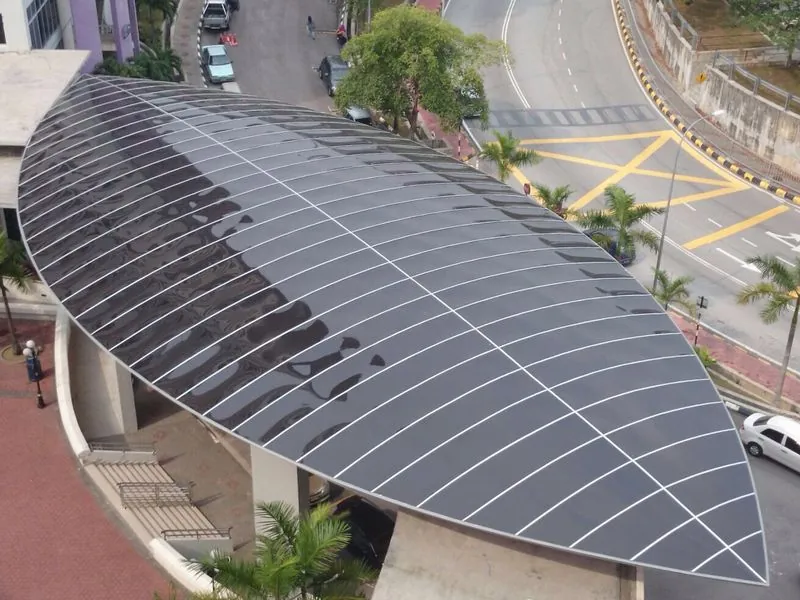
Polycarbonate for skylights
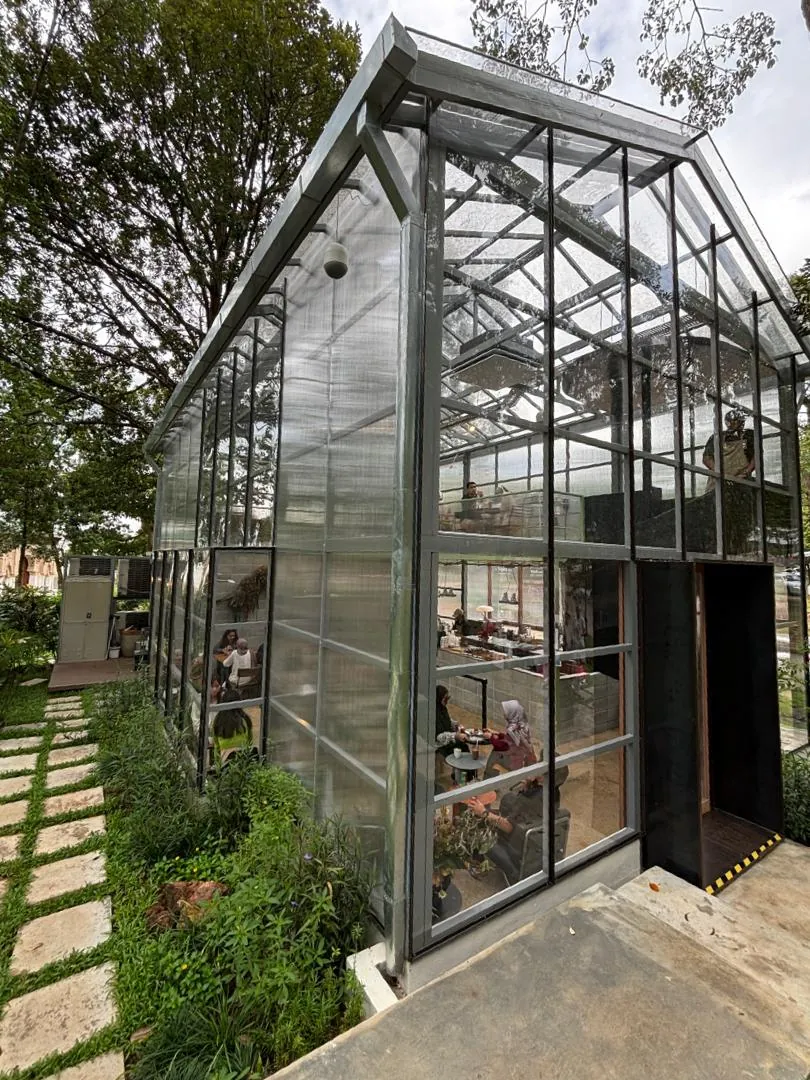
Polycarbonate skylights fill interiors with natural daylight and are built for the demands of modern construction. They are durable, energy efficient and flexible in design, which makes them a preferred choice for homes, commercial buildings and industrial projects.
Polycarbonate is also more cost effective than tempered glass. Tempered glass is heavy and needs stronger structural support, which raises costs. Polycarbonate is lightweight and easy to shape, so it keeps structural and installation costs down.
Solid polycarbonate
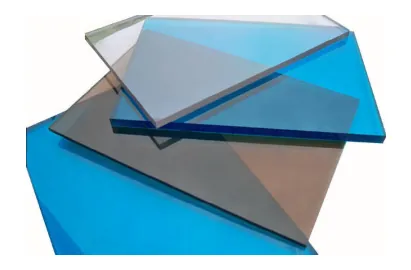
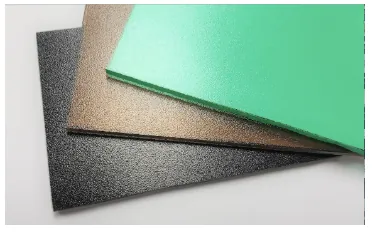
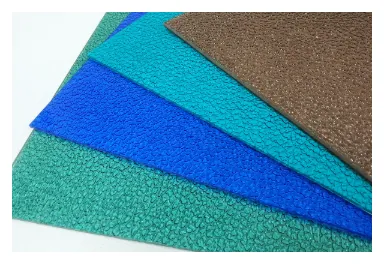
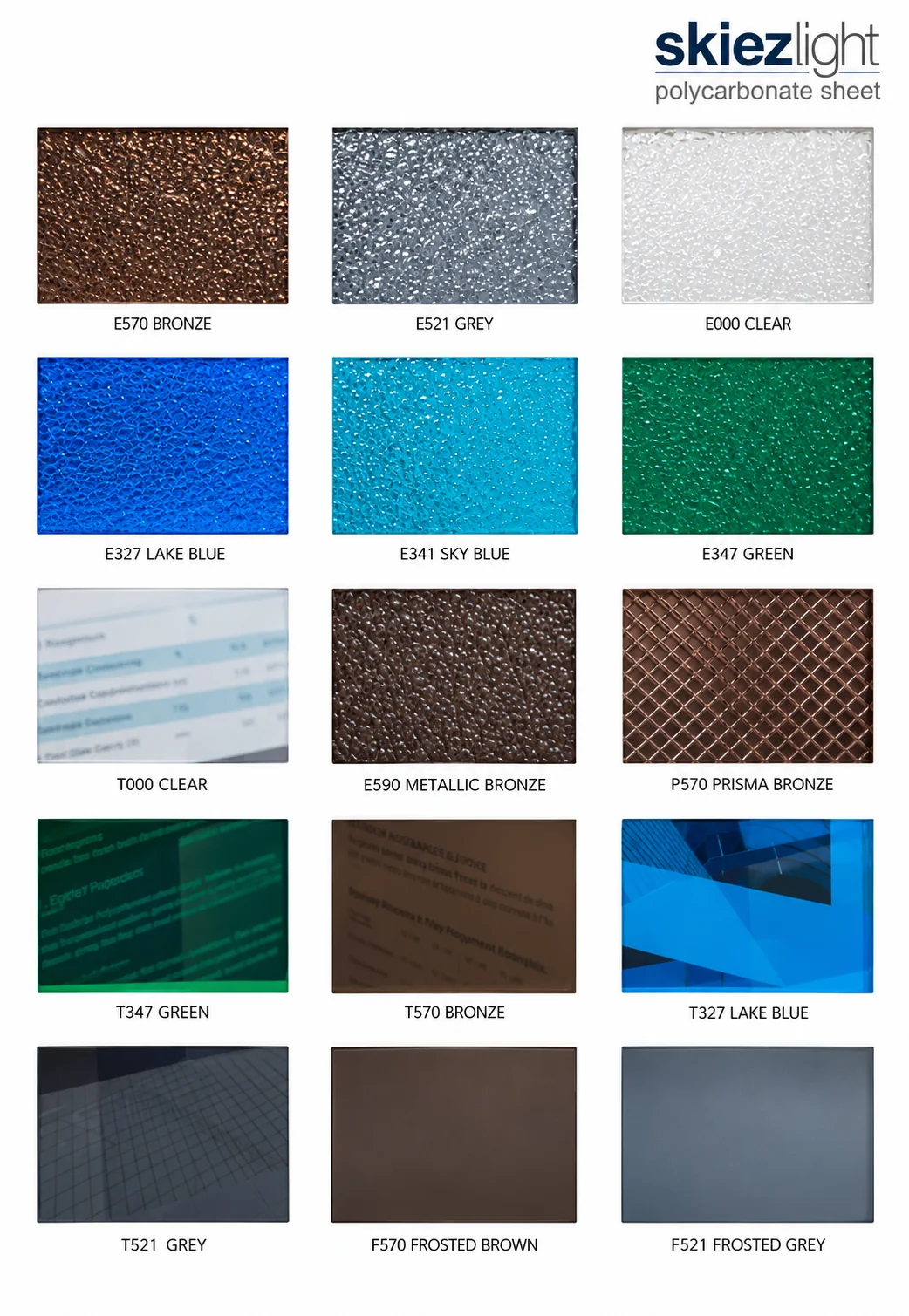
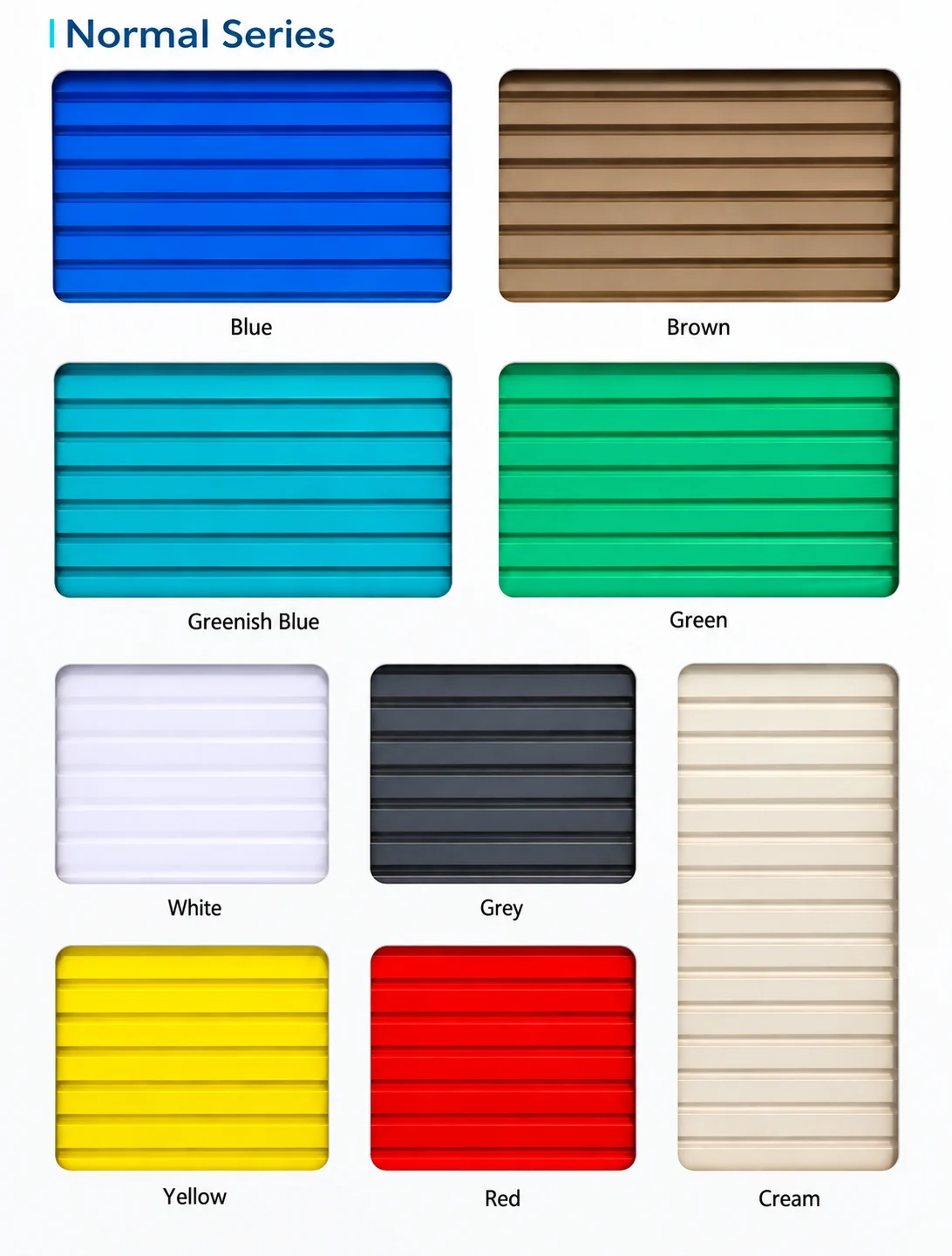
Our polycarbonate awning sheets come in three popular profiles: plain, frosted and embossed. All three are equally durable and differ only in appearance, so you can choose the finish that best suits your design.
The standard thickness is 3mm, available in every colour and profile. Thicker sheets of 4mm, 5mm and 6mm come in a limited range of colours and profiles. Heavy duty 8mm and 10mm sheets come in clear plain finish only. The standard width is 4ft (1212mm) and the length is cut to your requirements. The sheets come in rolls.
Thicknesses
| Thickness | Profiles | Colours |
|---|---|---|
| 3mm (standard) | Plain, frosted, embossed | Full range |
| 4mm, 5mm, 6mm | Limited | Limited |
| 8mm, 10mm | Plain only | Clear only |
Properties
| Property | Unit | Value | Testing method |
|---|---|---|---|
| Tensile strength | MPa | 62 | ASTM D638 |
| Light transmission | % | 60 to 85 | ASTM D1003 |
| Specific gravity | g/cm³ | 1.2 | ASTM D792 |
| Water absorption | % | 0.15 | ASTM D570 |
| Deflection temperature | °C | 132 | ASTM D648 |
| Thermal conductivity | W/m·K | 0.19 | ASTM C177 |
| Rockwell hardness | HRR | 118 | ASTM D785 |
| Flexural stress | MPa | 98 | ASTM D790 |
| Flame class rating (3mm) | HB | UL94 |



Installation method for polycarbonate
-
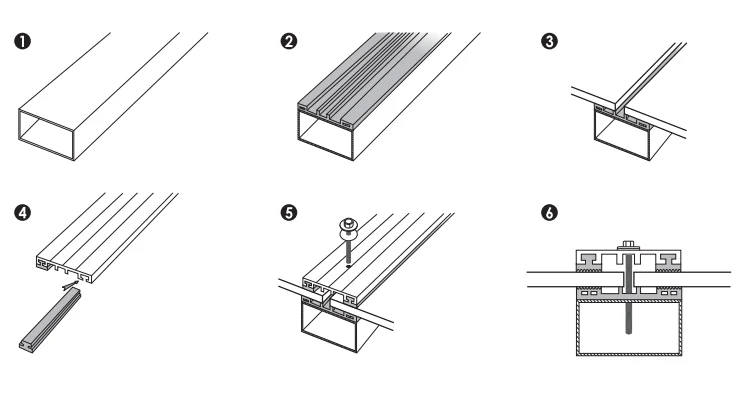
Step 1: Prepare the supporting frame
Install the hollow section frame (rafters or purlins) at the correct spacing and slope. Make sure the frame is level, straight and securely fixed.
-
Step 2: Fix the aluminium base profile
Fix the aluminium base profile along the top of each rafter. Check that its rubber gaskets sit properly on both sides.
-
Step 3: Lay the polycarbonate sheets
Before laying the sheets, peel back the protective film along the edges, and make sure the side with the logo printed on the film faces up. Lay the sheets on the base profile so each edge rests on the gasket. Leave a gap between neighbouring sheets so they can expand, and so the screws can pass through the gap without touching the sheet.
-
Step 4: Fit the gaskets into the top clamping bar
Slide the TPV gaskets into the channels on the underside of the top clamping bar. Do not use PVC gaskets, because they can damage the sheet over time.
-
Step 5: Secure the clamping bar
Place the clamping bar over the joint and fix it with self-drilling screws and washers, through the gap between the sheets and into the base profile. Tighten the screws evenly until the sheets are held firmly. Do not overtighten, because the sheets need room to expand and contract.
-
Step 6: Fit the cover cap and finish
Snap the cover cap (optional) onto the clamping bar to hide the screws and give a clean finish. Seal the sheet ends if needed, using neutral cure silicone only. Remove the rest of the protective film once installation is complete.
Caution notes
- Never screw directly through the sheet. Polycarbonate expands and contracts every day as the temperature changes. A screw fixed directly through the sheet stops it moving, and this eventually leads to cracks around the screw hole. Always secure the sheets with the clamping bar system. Sheets that crack because of direct screwing are not covered by warranty.
- Use neutral cure silicone only. Acidic (acetoxy) silicone reacts with polycarbonate and can cause cracking or discolouration.
- Do not apply silicone in the gap between sheets. Silicone in the joint stops the sheets expanding and contracting freely, and the stress can crack the sheet. The gaskets in the clamping system already give a watertight seal.
Frequently asked questions
Do you keep stock of these solid polycarbonate sheets?
Yes, we keep stock of all the colours above. Please contact us to check the latest stock availability.
I want a polycarbonate skylight, but I am worried it will let in too much light. What should I do?
How much daylight comes through depends on the colour and profile. If you are worried it will be too bright and hot, we recommend a hybrid design that combines polycarbonate panels with ACP.
Can you cut the polycarbonate sheets to custom sizes?
Yes. The width is a standard 4ft, and we can cut the length for you. For example, if your awning is 22ft x 9ft 6in, we can cut six pieces of 4ft x 9ft 6in. You will need to trim the width yourself.
What other fittings or accessories do I need to install these sheets?
For a standard skylight, you need skylight aluminium bars, gaskets and cappings such as L angles or U channels. If you are not sure which accessories you need, or how many, please speak to us.
How do I clean it?
Use mild soap or a neutral detergent, lukewarm water and a soft cloth. Avoid solvents, ammonia and abrasive cleaners, as polycarbonate scratches easily.
What is the difference between 3mm and thicker sheets, such as 5mm or 6mm?
The main advantage of a thicker sheet is its much higher impact resistance. Weather and UV slowly reduce the impact strength of a polycarbonate sheet over the years. A thicker sheet slows this down, so it stays strong and protective for longer.
Thicker sheets also look more premium. They are more rigid, so they avoid the sagging often seen with 3mm sheets and keep a flatter, cleaner finish.
Why does a polycarbonate sheet look wavy or sagging in the afternoon but flat at night?
This is a natural property of polycarbonate. In the afternoon heat the sheet expands slightly, which can make it look wavy. As the temperature drops at night, it contracts and flattens again. This is normal and does not damage the sheet. Polycarbonate stays flexible, so it can expand and contract every day without cracking. Many other plastics become brittle after long exposure to the weather, which is a key reason polycarbonate lasts longer.
What should I take note of when installing polycarbonate sheets?
- Avoid screwing directly through the sheet. Polycarbonate expands and contracts as temperatures rise and fall. A screw fixed tightly through the sheet rubs against it constantly, and over time this can cause cracks. If you must screw through the sheet, pre-drill the hole slightly larger than the screw so the sheet can move freely.
- Use the proper skylight clamping bar with a TPV gasket. Do not use PVC gaskets: they contain plasticisers that react with polycarbonate and can damage the sheet over time. Leave a gap between the sheets. This gives room for expansion and lets the clamping bar screws go through the gap instead of through the sheet.
- Use only neutral cure silicone. Acidic (acetoxy) silicone can react with polycarbonate and cause cracking or discolouration.
Have more questions? Please speak to us.
Hollow polycarbonate
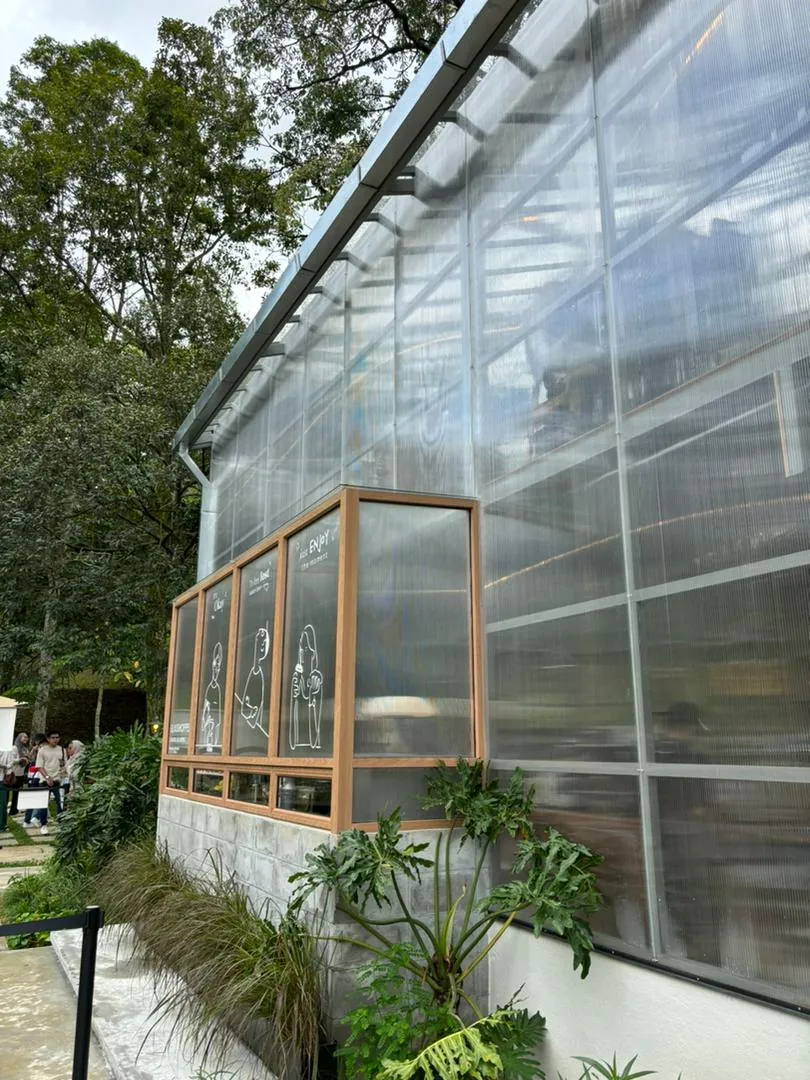
Polycarbonate hollow sheets, also called multiwall or twin-wall sheets, are made of two or more polycarbonate layers joined by internal ribs. The air filled channels between the layers make the sheets extremely light yet rigid, and they insulate well against both heat and cold. The sheets spread natural light evenly and are easy to cut, curve and install. This makes them a cost effective choice for skylights, signage and partitions.

Standard specifications
| Profile | Twin-wall |
|---|---|
| Thickness | 6mm, 10mm |
| Width | 4ft (1220mm), 7ft (2100mm) |
| Length | Cut to your requirements, up to 40ft |
Custom profiles
Other profiles, such as honeycomb and multiwall, can be made subject to a minimum order quantity (MOQ).


Frequently asked questions
What is the difference between solid and hollow polycarbonate?
Hollow and solid sheets are made from the same polycarbonate raw material; the only difference is how the sheet is built. Hollow sheets share the main advantages of polycarbonate, though they perform slightly below solid sheets. They have two key advantages over solid sheets: they cost less, and their internal ribs make them flatter and more rigid. This makes them a popular choice for skylights, signage, partitions and decorative uses.
How do I cut the hollow sheet?
A hollow sheet can be cut easily with a utility blade.
- Across the width (across the ribs): score along the cutting line and run the blade through several times until the sheet cuts cleanly.
- Along the length (along the ribs): hold the blade at a 45° angle and cut along the rib line. Then turn the sheet over and repeat on the other side to complete the cut.
What is the difference between twin-wall and multiwall profiles?
A twin-wall sheet has two layers; a multiwall sheet has three to six. The main advantage of multiwall is better heat insulation. Each extra layer adds another pocket of trapped air, which slows the heat moving through the sheet, so less of it reaches the space below. The extra internal ribs also make the sheet more rigid and sturdy. Please note that multiwall sheets are not kept in stock. They are made to order, subject to a minimum order quantity (MOQ).
How do I stop water droplets and mould forming inside the hollow sheet after rain?
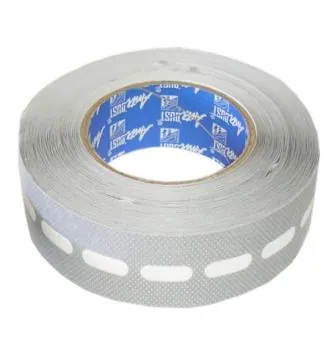
Seal the open edges of the sheet with breathable anti-dust tape. The tape keeps out dust, insects and dirt. It also lets warm, moist air escape from the channels, which prevents condensation droplets and stops mould growing inside.
Have more questions? Please speak to us.
Beyond skylights: other uses for polycarbonate
Polycarbonate is strong, clear and lightweight, so it has uses well beyond skylights and glazing. It performs reliably wherever safety, visibility and durability matter most. Our standard range comes as clear flat sheets in thicknesses from 1mm to 25mm, in the standard size of 1220mm x 2440mm (4ft x 8ft).
The standard grade carries a UL94 HB flammability rating. For uses that need more fire resistance, sheets with higher UL94 ratings, from V-2 up to V-0, can be made on request. An anti-static grade is also available.
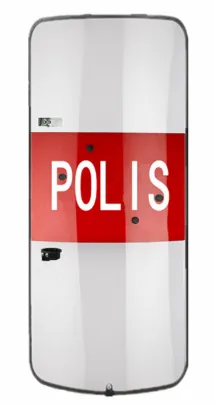
Riot shields and security protection
Polycarbonate is highly impact resistant and does not shatter, so it is widely used for riot shields, protective visors and security screens. Its clarity gives the user a clear view while protecting them from thrown objects and blunt force.
Machine guards
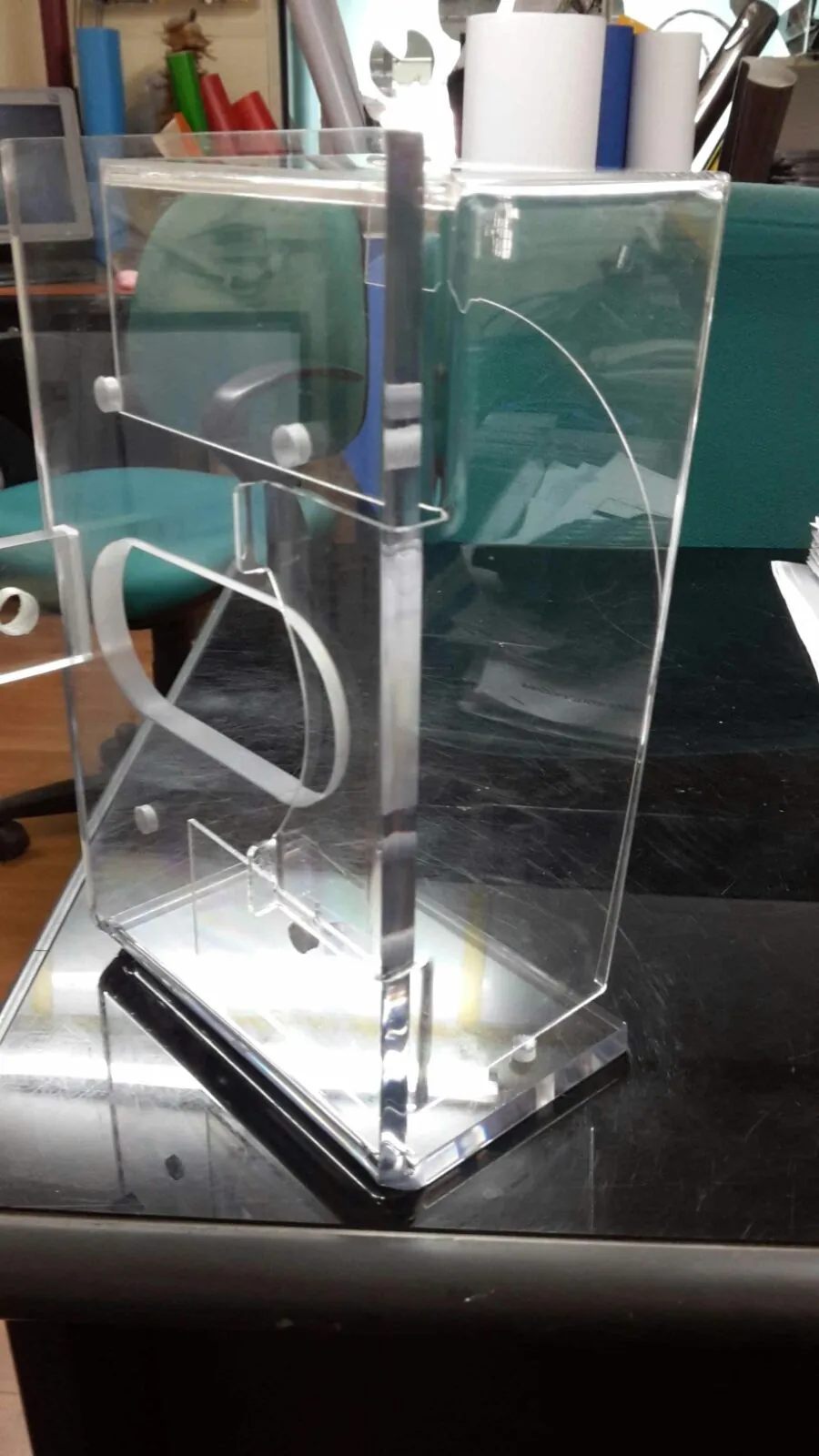
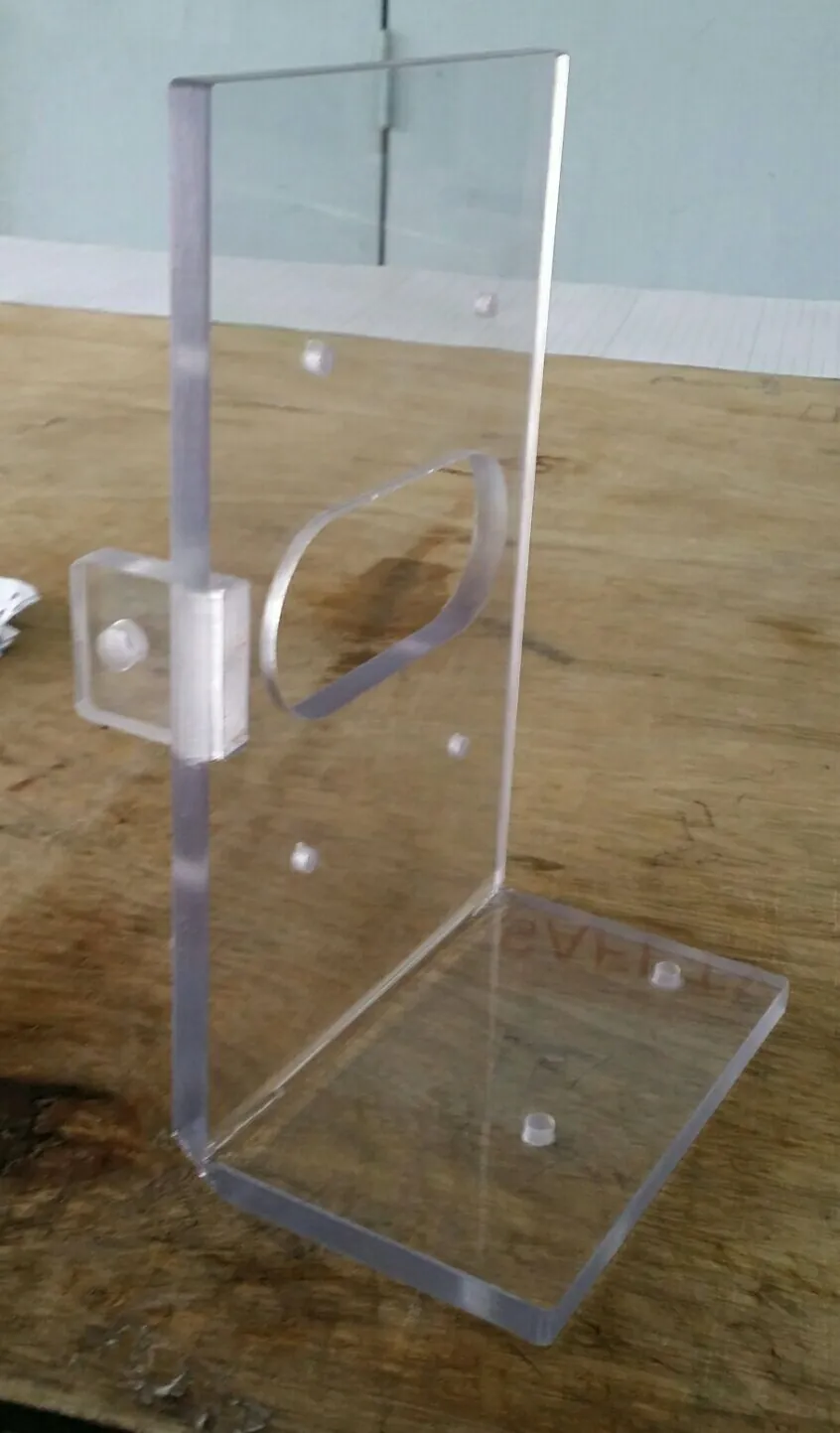
In factories and workshops, polycarbonate guards shield operators from moving parts, flying debris and splashes, while they can still watch the machine at work. The sheets are easy to cut, drill and bend to fit any equipment.
Signage and displays
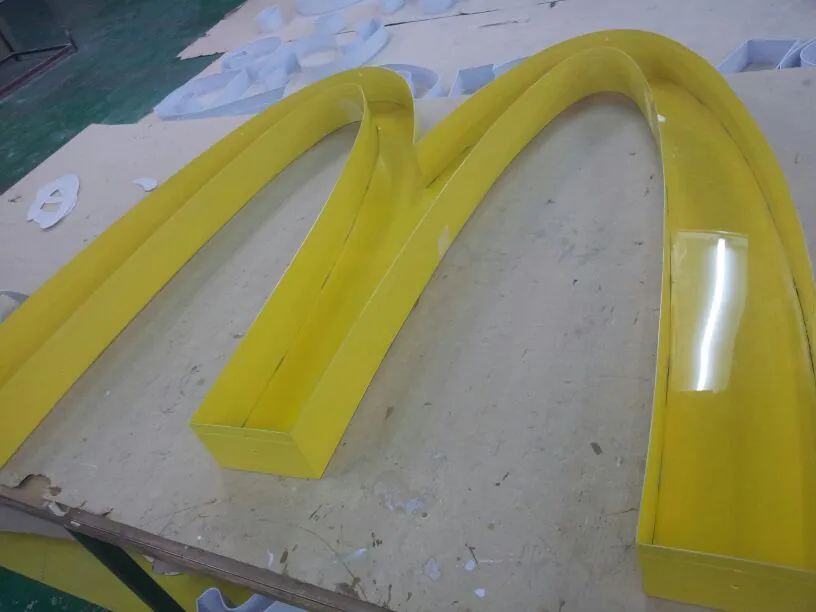
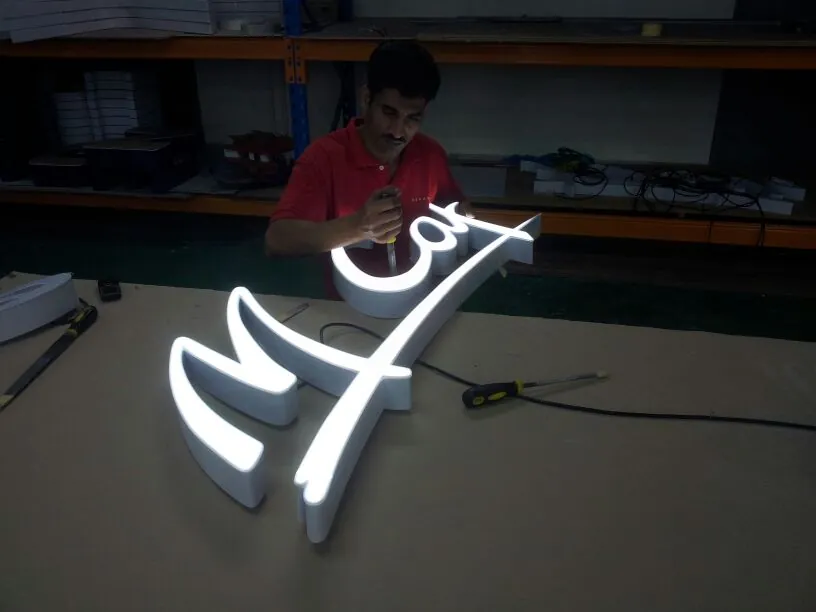
It is easy to print on and thermoform, and it holds up outdoors, making it ideal for lightboxes, illuminated signs, point of sale displays and exhibition stands.
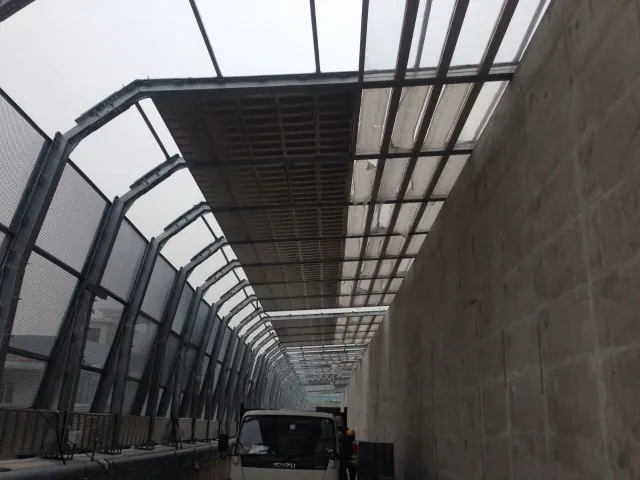
Noise barriers and enclosures
Transparent polycarbonate panels are used along highways and walkways, and in industrial enclosures, to reduce noise while keeping spaces open and bright.

Decorative design
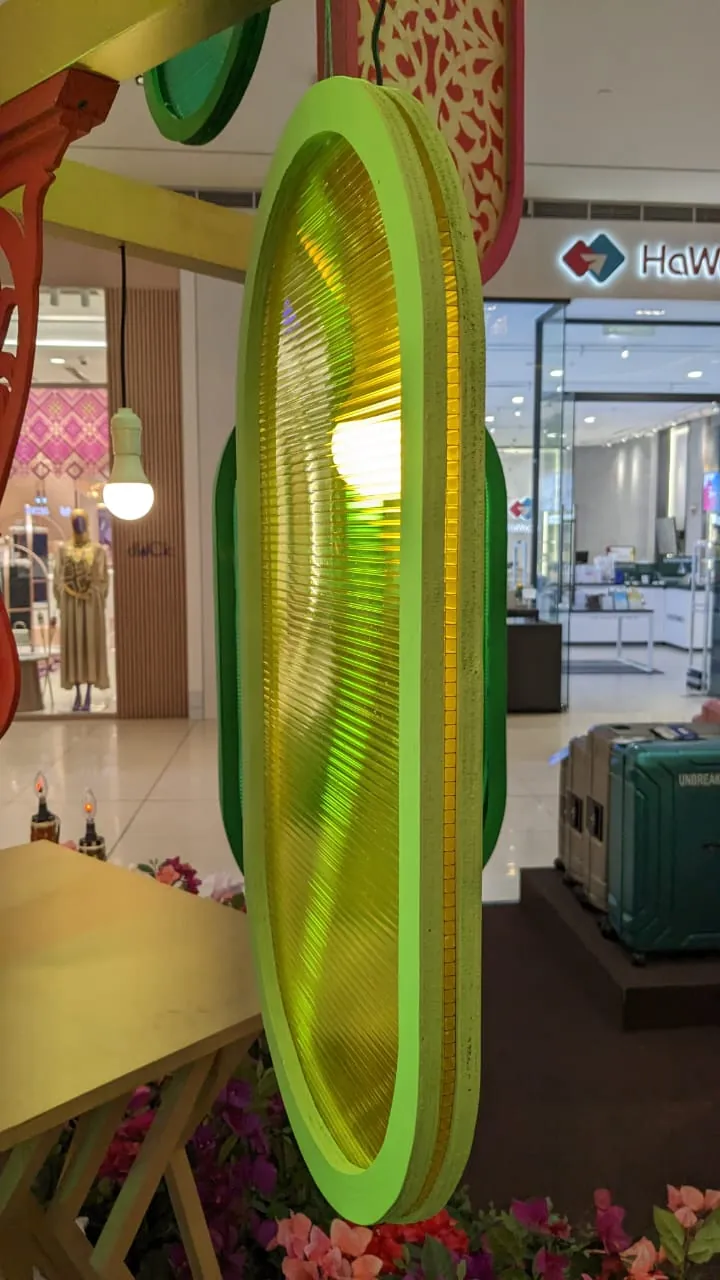
Polycarbonate is also a versatile material for creative design. Coloured sheets set in a frame can turn an ordinary structure into an eye catching landmark. Sunlight passing through the panels casts vivid, stained glass colours that change throughout the day.
Frequently asked questions
What is the difference between rolled and flat polycarbonate sheets?
For skylights and awnings, polycarbonate usually comes in rolls of 4ft x 100ft, which we cut to the length you need. Rolled sheets keep a slight curve after they are unrolled. That is fine for roofing, but it makes them unsuitable for engineering work, machine guards or other uses where the sheet must be perfectly flat. For these, flat sheets are used, as they stay completely flat even when cut into smaller pieces.
Can polycarbonate sheets be laser cut or laser polished?
We do not recommend it. Unlike acrylic, polycarbonate does not melt cleanly under a laser: the heat scorches the material and leaves brown burn marks along the edges.
To cut or trim polycarbonate, use a circular saw or a CNC router. Both give a clean, precise finish.
Can polycarbonate sheets be bent?
Yes. Thinner sheets can be cold bent into gentle curves on site, but they must be held in place by a supporting frame. To form a permanent shape that holds without support, such as a sharp angle or fold, the sheet has to be heat bent.
Project references
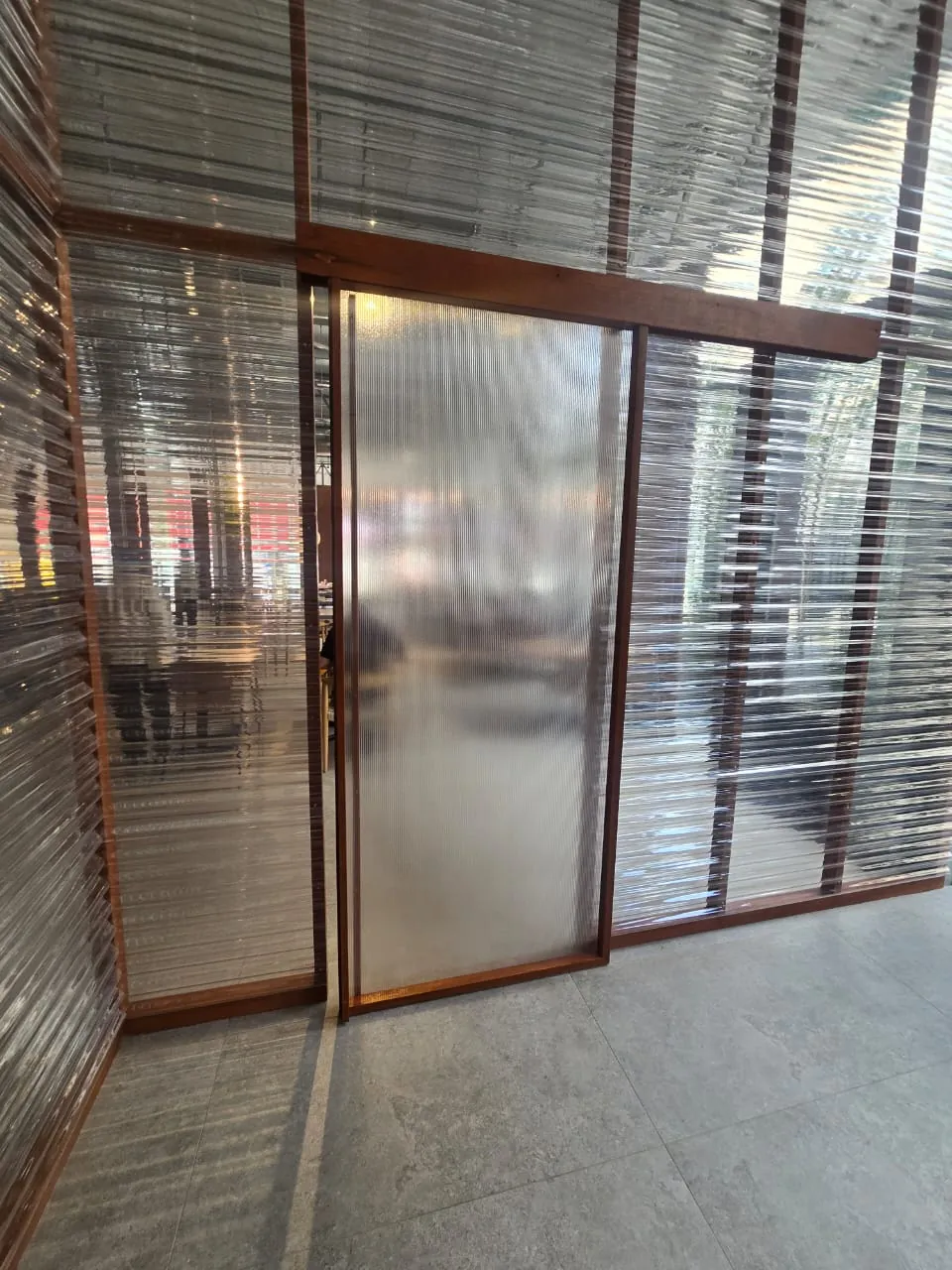
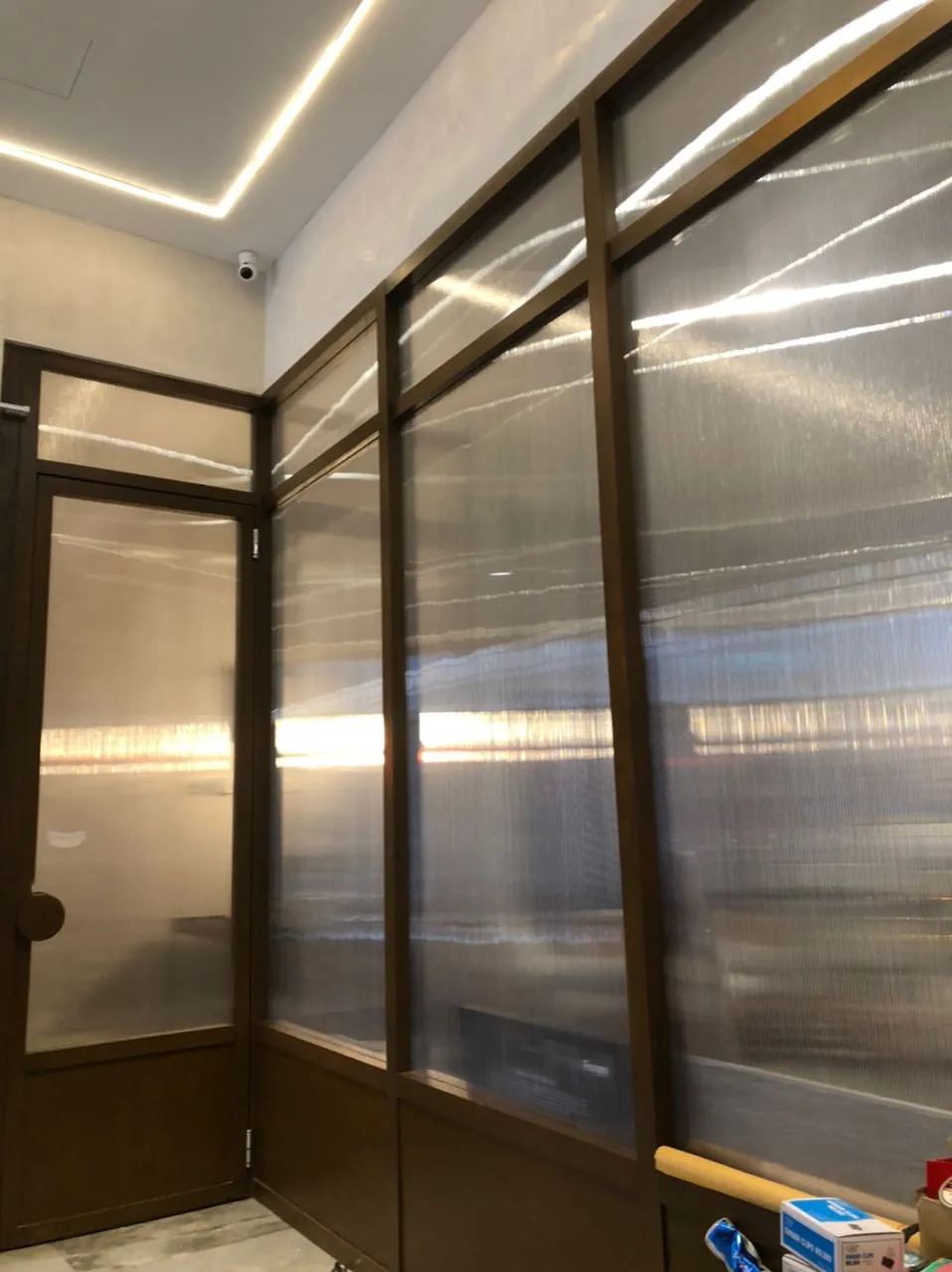
Jobs that used our polycarbonate sheets.
Solid polycarbonate

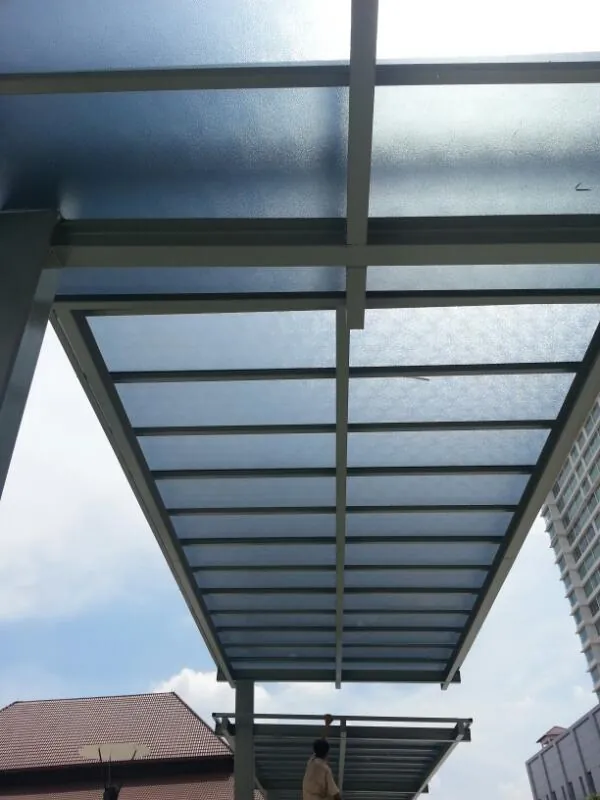

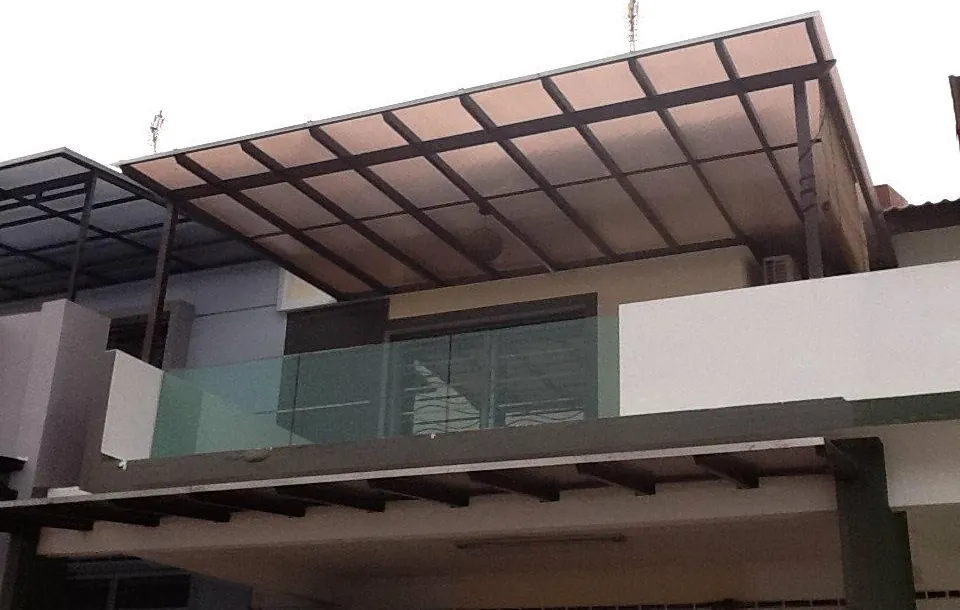
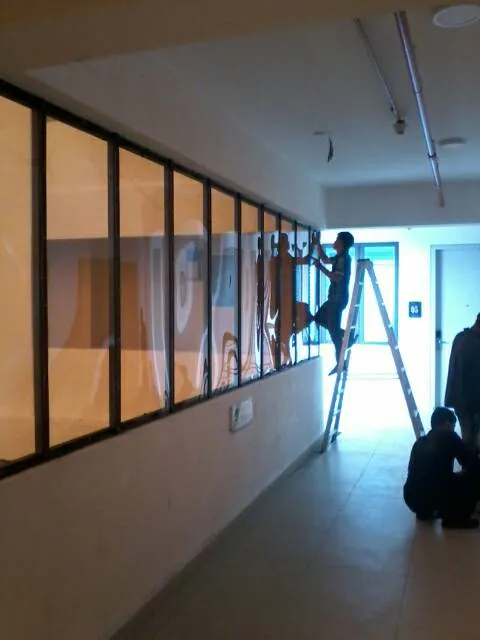


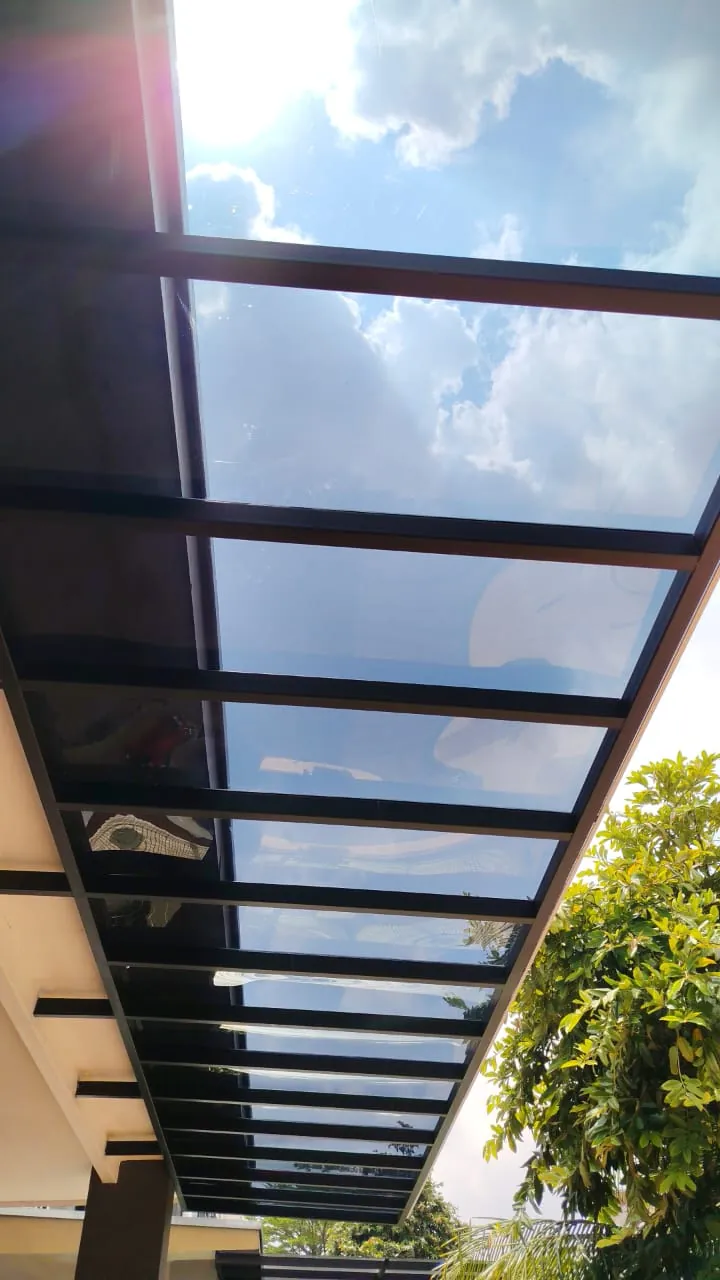

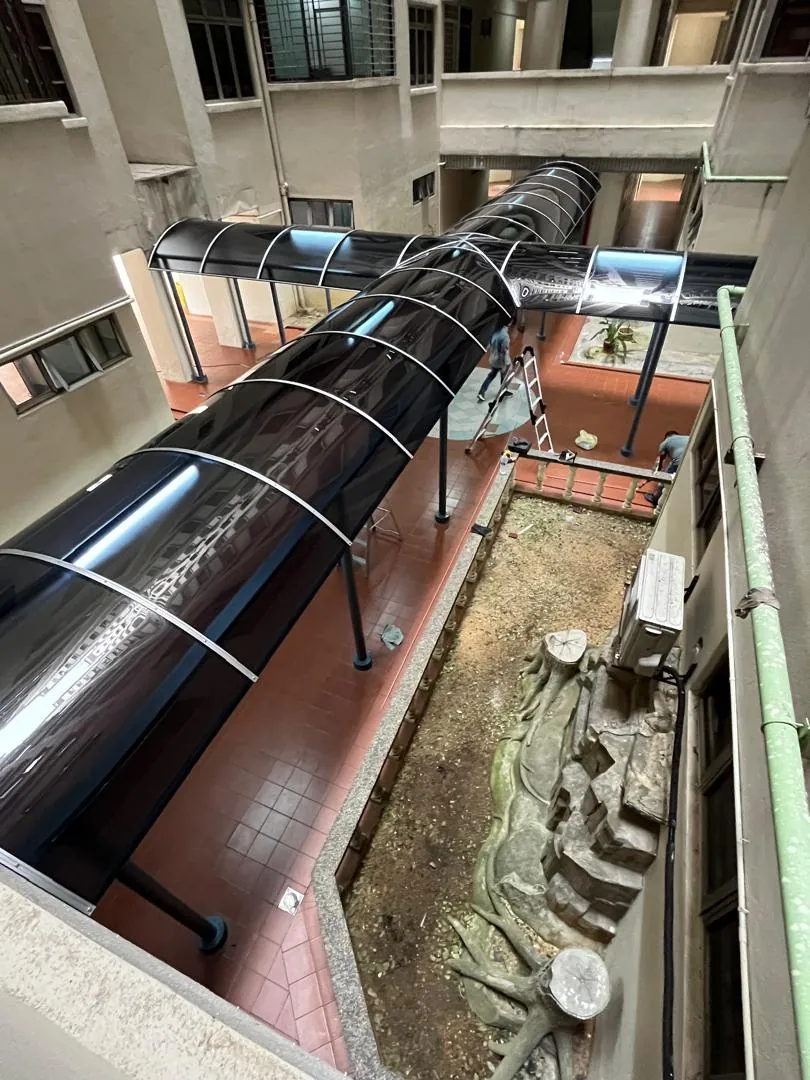
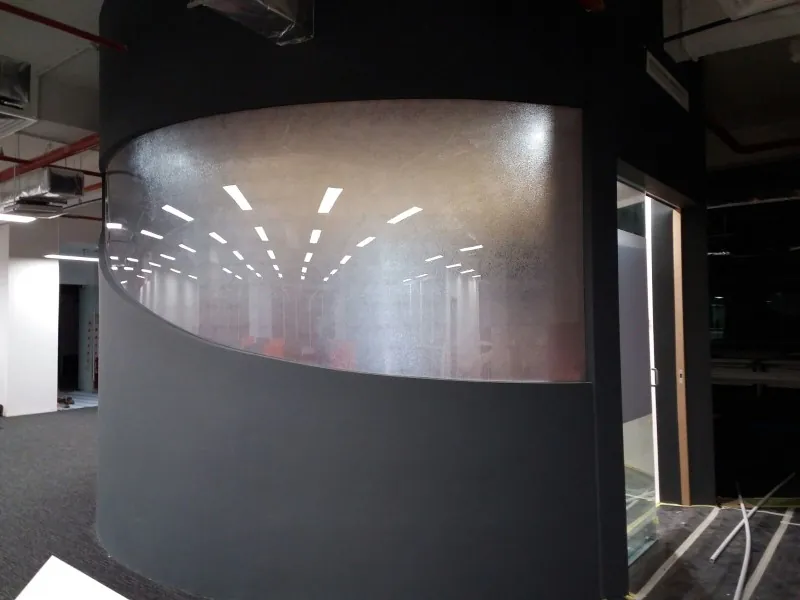
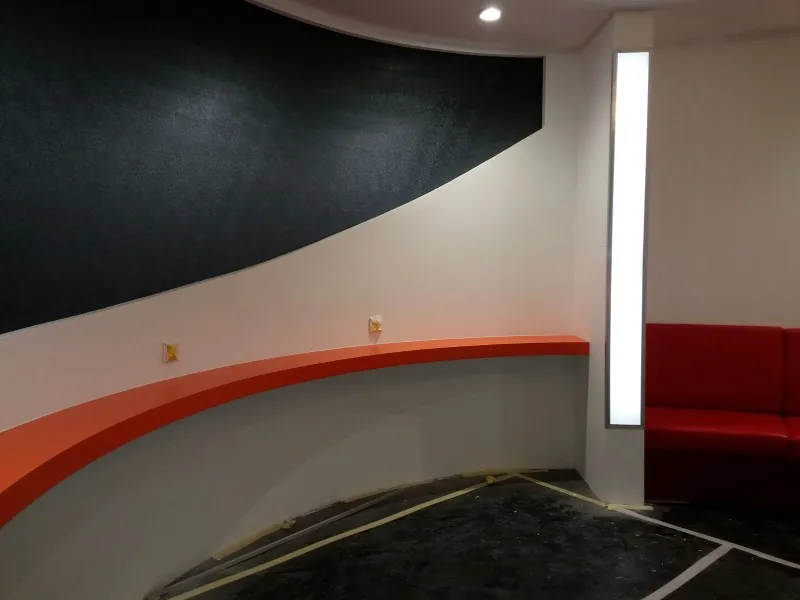
Hollow polycarbonate

Frequently asked questions
What is polycarbonate, and how is it different from acrylic or glass?
| Property | Polycarbonate | Acrylic | Glass |
|---|---|---|---|
| Weight | Light: about half the weight of glass | Light: about half the weight of glass | Heavy: about twice the weight of plastic sheets |
| Impact resistance | Excellent: about 200 times stronger than glass, virtually unbreakable | Good: about 10 to 17 times stronger than glass, but can crack under heavy impact | Poor: brittle and shatters easily unless tempered or laminated |
| Scratch resistance | Low: scratches easily unless hard coated | Moderate: better than polycarbonate, and scratches can be polished out | Excellent: highly scratch resistant |
| How it breaks | Does not shatter; dents or bends instead | Breaks into large, blunt pieces | Shatters into sharp shards (tempered glass breaks into small granules) |
| Light transmission | Up to about 88% to 90% | Up to about 92% (the clearest) | About 90% |
| Bending and curving | Can be cold curved on site | Needs heat to bend | Cannot be bent after manufacture |
| Cutting and drilling | Easy; does not crack | Possible, but it can chip or crack | Must be cut before tempering and needs special tools |
| Cost | Moderate | Moderate | Varies; tempered and laminated glass cost more |
Need a quotation for polycarbonate sheets?
Send us the product, sizes and quantity, and we will reply with pricing and stock.